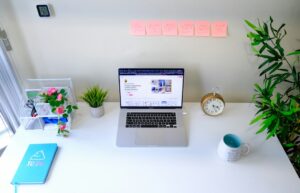
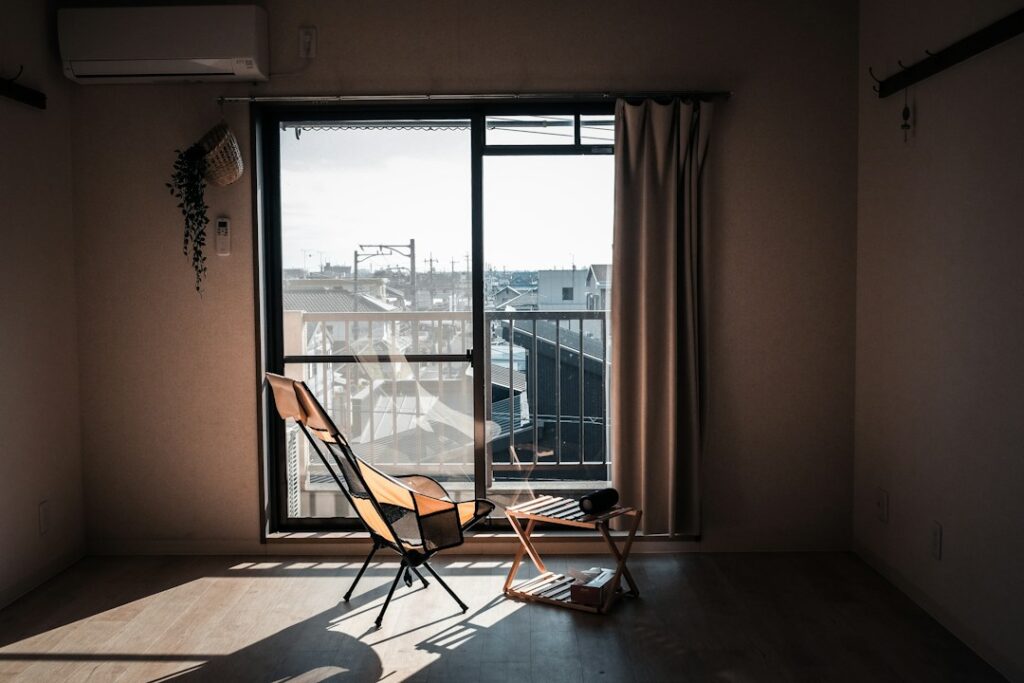
Looking for Japandi decor ideas for small apartments? You don’t need a large home to create a space that feels calm, stylish, organized, and comfortable. Japandi design combines Japanese simplicity with Scandinavian functionality, making it a natural fit for compact apartments and studios.
By focusing on clean lines, natural materials, multifunctional furniture, warm neutral colors, and thoughtful organization, you can make a small apartment feel more spacious without filling it with unnecessary furniture or decorations.
In this guide, you’ll discover 5 practical Japandi decor ideas for small apartments, along with simple ways to make your space feel more open, functional, and intentional.
What Is Japandi Design?
Japandi is an interior design approach that combines elements commonly associated with Japanese and Scandinavian interiors.
Japanese-inspired interiors often emphasize simplicity, natural materials, craftsmanship, and intentional spaces. Scandinavian design is commonly associated with functionality, comfort, clean lines, and practical minimalism.
Japandi brings these ideas together to create interiors that can feel minimal without being empty and warm without becoming visually cluttered.
For a small apartment, this approach can be especially useful because it encourages you to make thoughtful decisions about what enters your home and how each item contributes to the space.
- Minimal but comfortable
- Functional without looking overly utilitarian
- Warm rather than sterile
- Natural without feeling overly rustic
- Elegant without excessive decoration
Related SimplyVora guide: Explore our small-space organization ideas.
1. Choose Low-Profile, Multi-Functional Furniture
When floor space is limited, every large piece of furniture should earn its place. One of the smartest Japandi decor ideas for small apartments is to choose furniture with simple silhouettes and more than one practical function.
Low-profile furniture can also help maintain relatively open sightlines, while multifunctional pieces allow you to accomplish more without filling the room with additional objects.
Smart furniture ideas for a small apartment
- A platform bed with built-in storage
- An ottoman that doubles as storage
- A compact extendable dining table
- Nesting coffee tables
- A foldable or wall-mounted desk
- A sofa bed for flexible guest space
- Wall-mounted shelves
- A storage bench for an entryway or bedroom
For example, nesting tables can function as a coffee table when you need them and separate into additional surfaces when you’re entertaining. A storage bed can also turn the unused area beneath the mattress into a practical location for bedding, seasonal clothing, or other belongings.
A simple small-space furniture rule
Before buying a new piece of furniture, ask yourself:
What problem does this piece solve?
If you can’t identify a clear purpose, consider whether the item is worth using valuable floor space.
2. Create a Warm Neutral Color Palette
Color can dramatically influence how a compact apartment feels. A cohesive palette can make different areas of an open-plan home feel connected rather than visually fragmented.
For a Japandi-inspired space, consider warm whites, cream, beige, taupe, soft gray, muted green, and natural wood tones.
A simple Japandi color formula
- Base: Warm white or cream
- Secondary: Beige, taupe, or soft gray
- Natural element: Light or medium wood
- Accent: Muted green, charcoal, or black
The goal isn’t to make every surface identical. Instead, choose colors that work together so the apartment has a consistent visual flow.
Use contrast intentionally
A small amount of darker contrast can prevent a neutral room from looking flat. Consider a charcoal lamp, black cabinet handles, a dark picture frame, or a deep green textile.
Keep darker accents intentional rather than scattering them throughout the room. In a small apartment, visual simplicity is often more effective than adding more decoration.
3. Use Natural and Sustainable Materials
Natural materials are an important part of the Japandi aesthetic. They introduce texture and warmth without requiring large amounts of decoration.
Consider materials such as:
- Natural wood
- Linen
- Cotton
- Bamboo
- Rattan
- Ceramic
- Stone
- Woven fibers
A linen throw, wooden tray, ceramic vase, woven basket, or carefully selected plant can add character while keeping the overall look restrained.
Think quality over quantity
A small apartment can quickly become overwhelmed by inexpensive decorative objects. Instead of filling every shelf and tabletop, choose a smaller number of pieces that are useful, meaningful, or genuinely beautiful to you.
This approach can also encourage more intentional purchasing because you are considering how each new item will function within the space rather than simply adding more things.
Related SimplyVora guide: Read our sustainable living ideas for everyday life.
4. Hide Technology and Control Cable Clutter
A home can be technologically advanced without looking like a collection of wires, chargers, and devices.
For a modern Japandi apartment, one of the easiest visual improvements is to organize technology so that it integrates naturally into the room.
Simple cable-management ideas
- Use cable clips to route wires neatly.
- Keep power strips inside suitable cable-management boxes.
- Create a dedicated charging area.
- Store unnecessary cables instead of leaving them on countertops.
- Label cables that are difficult to identify.
- Route television and entertainment cables neatly behind furniture where practical.
Smart-home technology can also reduce visual clutter when implemented thoughtfully. For example, smart lighting can allow you to control multiple lights without relying on several visible remotes.
Discreet LED lighting beneath cabinets or behind furniture can also provide ambient illumination without requiring additional floor space.
The key principle
Smart technology should simplify the room—not become the room.
Related SimplyVora guide: Discover practical smart-home ideas for modern living.
5. Build a Simple Decluttering and Storage System
Beautiful furniture cannot compensate for clutter. In a compact apartment, even a relatively small amount of clutter can make the space feel crowded.
One of the most useful Japandi decor ideas for small apartments is therefore to create a simple system where frequently used belongings have a designated home.
Start with your everyday surfaces
- Kitchen counters
- Coffee tables
- Entryway surfaces
- Bedside tables
- Bathroom counters
- Desk surfaces
If an item doesn’t need to remain on the surface, give it a dedicated storage location.
Try the “one home for everything” system
Give frequently used items a permanent location:
- Keys: Entryway tray or wall hook
- Mail: Dedicated organizer
- Chargers: Charging station
- Blankets: Storage basket
- Cleaning supplies: Dedicated cabinet
- Important documents: Digital or physical filing system
The goal isn’t perfection. The goal is to make tidying easy enough that you can realistically maintain the system every day.
How to Make a Small Apartment Feel Bigger
You don’t necessarily need a larger apartment to create the feeling of more space. A few intentional design choices can improve the visual flow of a compact home.
Keep walkways clear
Avoid placing unnecessary furniture in the natural paths between rooms. Clear walkways make movement easier and can make a compact floor plan feel less congested.
Use vertical storage
When floor space is limited, your walls become valuable real estate.
Consider:
- Floating shelves
- Tall storage cabinets
- Wall-mounted organizers
- Vertical bookshelves
- Hooks and hanging storage
Balance open and closed storage
Open shelving can look beautiful, but too many visible objects can make a small room feel busy. Use closed storage for everyday clutter and reserve open shelving for a small selection of attractive or frequently used items.
Use mirrors strategically
A strategically positioned mirror can reflect light and create a stronger sense of depth. Choose a simple frame that complements the rest of your room rather than adding another competing design element.
Let natural light work
Avoid unnecessarily blocking windows with large furniture or heavy window treatments. Keeping natural light unobstructed can help a compact space feel brighter and more open.
Japandi Small-Apartment Checklist
Before you consider your space finished, use this quick checklist:
| Area | Question to Ask |
|---|---|
| Furniture | Does every large item serve a useful purpose? |
| Storage | Does everything have a designated home? |
| Colors | Do the major colors work together? |
| Lighting | Is the lighting comfortable and appropriately layered? |
| Technology | Are cables and devices organized? |
| Decor | Are decorative objects intentional rather than excessive? |
| Materials | Have you incorporated natural textures? |
| Walkways | Can you move around the apartment comfortably? |
| Surfaces | Are frequently used surfaces reasonably clear? |
| Maintenance | Can you realistically maintain the organization system? |
The final question is especially important. A beautiful organization system that takes an hour every evening to maintain may not be practical for everyday life.
Common Japandi Mistakes to Avoid
1. Making the room too empty
Minimalism doesn’t mean removing everything. Your home should still feel comfortable and personal.
2. Using too much white
An entirely white room can sometimes feel cold. Warm neutrals and natural wood can introduce depth and softness.
3. Buying furniture that is too large
Measure your available space before purchasing furniture, and remember to account for doors, walkways, and clearance around other pieces.
4. Overdecorating shelves
A few intentional objects often create a cleaner appearance than filling every available surface.
5. Ignoring storage
If your belongings don’t have somewhere to go, clutter will eventually return. Plan storage around the items you actually use.
6. Making everything match
Japandi doesn’t require every piece to come from the same collection. Combining compatible textures, materials, and colors can create a more natural and interesting interior.
Frequently Asked Questions
Is Japandi good for small apartments?
Yes. Japandi’s emphasis on simplicity, functionality, natural materials, and reduced visual clutter can work particularly well in compact spaces.
What colors work best for a Japandi apartment?
Warm whites, creams, beige, taupe, soft gray, muted greens, and natural wood tones are useful choices for a Japandi-inspired palette.
How can I make my small apartment look more minimalist?
Start by reducing unnecessary items, choosing multifunctional furniture, organizing frequently used belongings, and keeping major surfaces relatively clear.
What furniture works best in a small Japandi apartment?
Look for furniture with simple silhouettes and practical functions, such as storage beds, nesting tables, extendable dining tables, storage ottomans, and compact desks.
Is Japandi expensive?
It doesn’t have to be. You can create a Japandi-inspired space gradually by prioritizing useful furniture, natural textures, and intentional decoration rather than purchasing everything at once.
How do I combine smart-home technology with Japandi design?
Choose technology that solves a genuine problem and keep cables, chargers, and unnecessary devices organized or concealed. The goal is for technology to support the room rather than dominate its appearance.
Final Thoughts: Make Your Small Space Work Smarter
Japandi design isn’t simply about making a small apartment look minimalist. It’s about being intentional with the space you already have.
Choose furniture that works harder, keep your colors cohesive, introduce natural materials, organize your technology, and create simple systems that make clutter easier to prevent.
Most importantly, don’t try to copy someone else’s apartment exactly. Your version of Japandi should reflect how you actually live.
A smaller home can still be comfortable, stylish, organized, and deeply personal when every element has a reason for being there.
Ready to simplify your space?
Start with just one area today. Clear one surface, reorganize one storage zone, or replace one bulky item with something more functional. Small improvements can gradually transform the way your apartment feels.
Explore more SimplyVora ideas for home organization, smarter routines, sustainable living, and intentional small-space living.